Pizza Place Cheyenne Spots That Satisfy Every Crust Preference
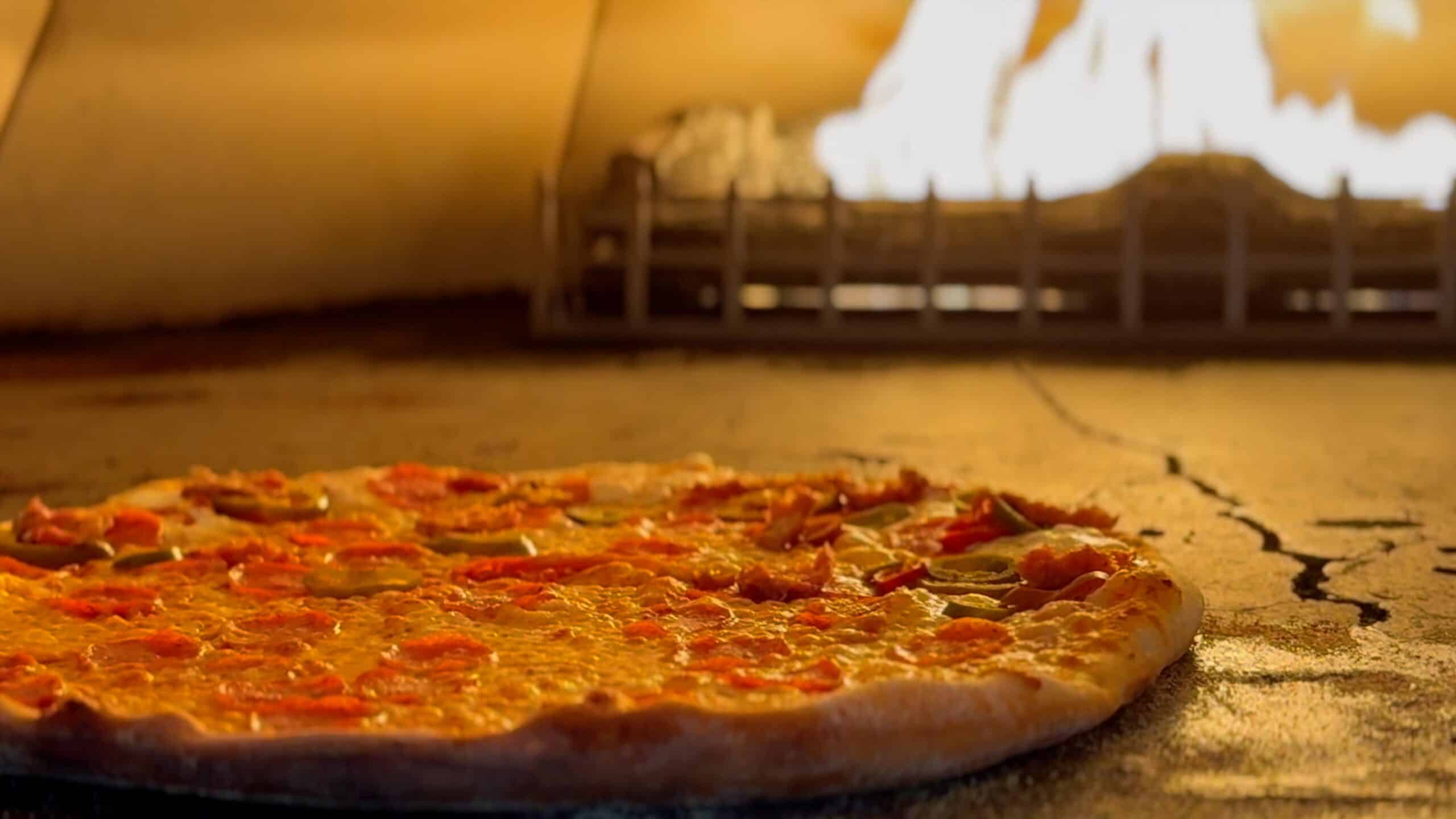
Cheyenne is the kind of city where pizza preferences get personal fast. Ask a table of six where to order from, and somebody wants a cracker-thin crust with crisp edges, somebody else is holding out for a chewy hand-tossed pie, and at least one person is hoping for a deep, bready slice that eats like dinner and leftovers at the same time. That tension is exactly what makes the local pizza search interesting. A good pizza place Cheyenne residents return to again and again usually succeeds because it understands crust first, toppings second.
That may sound backward if you grew up judging a pizza by how much cheese hangs off the slice, but crust is the real foundation. It affects everything, from whether a pie survives the drive home to whether the sauce tastes bright or buried. In a place like Cheyenne, where family dinners, game nights, pickup takeout, and casual date nights all compete for the same Friday evening slot, crust style matters more than menu photography ever will.
The local pizza landscape is not defined by one single regional identity. You are not walking into a city built entirely around New York slices or Chicago deep dish. Instead, you tend to find variety. Some spots lean toward tavern-style crispness that works well with wings and pitchers. Others favor a softer hand-tossed crust with enough structure for hearty toppings. A few places chase that artisan balance, blistered on the outside, airy inside, with restrained toppings and a hotter bake. If you know what you like under the sauce, finding a satisfying pie in Cheyenne gets much easier.
Crust is the real dividing line
People often talk about pizza as if the main choice is meat lovers versus veggie or red sauce versus white. In practice, most disappointments come from ordering the wrong crust for the occasion. A crust that is excellent in the dining room can go soft in a delivery box. A thick pan pizza that shines on a cold evening can feel heavy if you wanted something snackable during a football game. The same pepperoni can taste completely different depending on whether it sits on a brittle, cracker-like base or on a pillowy round with a raised edge.
That is why the best way to approach any pizza place Cheyenne has to offer is to think in terms of style and use case. Are you feeding teenagers after practice? Are you picking up something that will still be decent after a 20-minute drive? Are you after a quiet meal where the crust itself is part of the pleasure? Those questions narrow the field more reliably than star ratings alone.
Cheyenne also rewards a little realism. Smaller markets often have restaurants that cover multiple needs at once. A place might not market itself as a crust specialist, but it may quietly turn out an excellent medium-thick hand-tossed pie because that is the dough that holds up best across dine-in, carryout, and family orders. Conversely, a shop known for lots of toppings may not be your best choice if what you really want is a clean, well-charred artisan crust.
For the thin-crust loyalist
Thin-crust fans tend to know exactly what they mean, but they do not always mean the same thing. One diner wants foldable slices with some chew. Another wants a rigid, tavern-style square cut that snaps at the edge. In Cheyenne, thin crust usually matters because it keeps the meal light enough pizza place cheyenne to share with appetizers, beer, or salad without tipping into overload.
The strongest thin-crust spots are the ones that bake with confidence. You want a pie that does not sag in the middle and does not drown under sauce. Look for signs of restraint. If a menu emphasizes specialty combinations piled high with several meats, the crust may be asked to carry too much. Thin crust shows flaws quickly. Underbake it and the center turns pasty. Overload it and every slice slides apart before it reaches your plate.
A reliable thin-crust place will often do a few simple pizzas especially well. Cheese, pepperoni, sausage, mushroom, maybe a straightforward combination. That is not a limitation. It is usually a clue that the kitchen respects balance. In my experience, the best test of a thin-crust house is a plain or nearly plain pie during a slower service window. If the crust tastes toasty, the bottom stays crisp, and the outer edge has a little character instead of tasting like dry cracker, you have found a worthwhile spot.
Thin crust also happens to be one of the safest bets for group ordering. It disappears fast, travels reasonably well, and gives everyone an extra slice without the meal feeling too heavy. If your table wants wings, breadsticks, and a pitcher, this is usually the style that keeps the whole order in sync.
Where hand-tossed shines
If thin crust is for precision, hand-tossed is for comfort. This is the broad middle ground, and in many cities it ends up being the most dependable style. In Cheyenne, that can be especially true. A well-made hand-tossed pizza offers enough chew to feel substantial, enough structure to support generous toppings, and enough softness to please diners who think artisan crust can get too austere.
This is often the style that families and regulars gravitate toward without overthinking it. There is a reason for that. A solid hand-tossed pie handles the practical side of pizza well. It stays intact in the box. It reheats respectably. It allows for half-and-half topping compromises. It can satisfy the person who wants extra cheese and the person who wants green peppers and onions without collapsing into a wet mess.
When you are comparing a pizza place Cheyenne locals mention for hand-tossed pies, pay attention to the dough’s edge. The rim tells you a lot. If it is pale, flat, and flavorless, the dough was probably treated like an afterthought. If it has a little rise, some browning, and a chew that lingers, the kitchen is doing something right. Good hand-tossed crust should have contrast. The center is tender. The base has enough firmness to support the slice. The edge gives you something worth eating, not just leaving behind in a ring on the plate.
This style is also where sauce matters most. Thin crust tends to spotlight texture. Deep pan styles can lean on richness. Hand-tossed sits in the middle, so a sauce that is too sweet or too acidic will stand out. If you are trying a new place, a sausage and mushroom pie on hand-tossed dough is a strong test. It reveals whether the sauce plays nicely with savory toppings and whether the crust can carry moisture without going limp.
The appeal of thicker, pan-style pies
There are nights when only a thicker pie will do. Cold weather, long workweeks, hungry kids, road-trip fatigue, the reasons are endless. A pan-style or medium-thick crust has a different job from a thin pie. It is supposed to satisfy in a more complete way. One or two slices can feel like a meal rather than a snack spread across a box.
Done well, thicker crust is not just extra bread. That is the complaint from people who have only had mediocre versions. A strong pan pie has a crisp underside from oil and heat, an interior that stays light rather than gummy, and toppings that settle into the cheese instead of sliding around. The edge should feel golden and substantial, not dense and undercooked.
This is often the best choice when you know the pizza will sit for a bit before everyone eats. Pan-style pies retain heat better and tend to forgive travel time. They also pair well with robust toppings, from Italian sausage and bacon to extra vegetables and heavier cheese blends. If your household orders once and wants leftovers for lunch the next day, thicker crust can be a smart move.
The trade-off is speed and subtlety. Pan pizzas usually need a little more bake time, and they can mute delicate toppings. If your main goal is to taste a fresh basil note or the slight bitterness of charred vegetables, a thinner artisan crust may deliver more definition. But if you want comfort and staying power, a thicker pie earns its keep.
Artisan crust, when the dough itself is the draw
Every city has diners who want pizza to feel a little more composed, a little more ingredient-driven. In Cheyenne, that usually means looking for places that talk about house-made dough, hotter ovens, restrained topping combinations, or a menu that leans more bistro than sports bar. These are the spots where crust is not just the platform. It is part of the conversation.
Artisan-style pizza tends to have a few recognizable traits: an irregular rim, some blistering or char, a lighter hand with cheese, and a bake that aims for contrast between crisp exterior and airy interior. It is not always the best option for large group takeout, but it can be the most rewarding style if you are dining in or eating soon after pickup.
This style is also where personal preference gets nuanced. Some diners love a bit of char. Others read that same note as burnt. Some want a soft center that requires a knife and fork for the first minute. Others want more structural integrity. Those are not minor details. They shape whether a pie feels refined or frustrating.
A practical tip from years of ordering pizza in different western towns: artisan spots live and die by timing. If you are trying a place known for crust quality, eat it there if possible, or open the box as soon as you get home. Steam is the enemy of a crust that depends on texture. Five extra minutes trapped in cardboard can flatten the very qualities you paid for.
Delivery, carryout, and the reality of Wyoming appetites
Pizza reviews often ignore logistics, but logistics matter. The best pie on a plate can become average after a longer drive. Cheyenne diners know that weather, distance, and timing can all interfere with the ideal version of dinner. A place that performs beautifully for dine-in may not be the place you want during a windy evening when the pizza will spend extra time boxed up.
Thin, crisp pies are the least forgiving. Once steam builds, crispness fades fast. Hand-tossed pizzas usually travel best because they offer some flexibility without turning soggy. Pan styles retain heat and texture well, though they pizza place cheyenne can sweat under the lid if left untouched too long. If you are choosing a pizza place Cheyenne side neighborhoods can reach after a longer pickup, this practical side should factor into your order.
I have seen people blame a restaurant for what was really a timing mismatch. They ordered a delicate thin-crust pizza for a 25-minute drive home, then judged the shop as if the pie came straight from the oven to the table. That is not a fair test. Match the style to the journey. If you are eating immediately, chase texture. If you are feeding a crowd after errands, choose a crust with more margin for error.
How to read a menu like a regular
Menus tell you more than they seem to. You can often infer the crust strengths of a place by how the menu is built, even before you order.
- A short pizza menu with simple topping combinations often signals confidence in the dough.
- A long menu packed with heavy specialty pies usually favors heartier crusts that can support bigger builds.
- Specific crust language, such as hand-tossed, pan-baked, wood-fired, or tavern-style, is generally a good sign.
- If sauces, finishing oils, or cheese blends are described clearly, the kitchen is probably paying attention to balance.
- Photos showing overloaded slices can be helpful, but they often reveal whether the crust is likely to get buried.
None of this is absolute, but it helps. A place that names its dough style and shows some editorial discipline on the menu is often easier to trust than one that tries to be every kind of pizza for every diner.
Matching the crust to the occasion
The smartest pizza orders are usually occasion-based, not purely preference-based. You may love artisan pizza most of the time and still choose a hand-tossed family pie for a birthday gathering because it serves better, travels better, and pleases more people. That is not settling. That is ordering with judgment.
For weeknight pickup, dependable hand-tossed crust is hard to beat. For sports nights, thin crust with a little crunch keeps the meal moving. For cold evenings and leftovers, thicker pan-style pies often make the most sense. For date nights or a slower meal where the crust deserves your attention, artisan styles reward focus.
Cheyenne is large enough to offer these distinctions, but not so large that every place can master every crust. Most shops have a lane, even if the menu suggests otherwise. The trick is recognizing it. Some restaurants are best when you order plain and let the dough speak. Others hit their stride with loaded topping combinations on a sturdier base. Still others are secretly strongest on a simple medium cheese because their hand-tossed crust and sauce do the heavy lifting.
A few questions worth asking before you order
If you are trying a new spot, a quick phone call can save a disappointing meal. Good pizza shops hear these questions all the time, and the answers are usually revealing.
- Is your thin crust crisp or more foldable?
- Which crust holds up best for takeout?
- Do your specialty pizzas run heavy on toppings?
- Which pie do regulars order when they want something simple?
- How long after pickup is the pizza at its best?
Notice that none of these questions are fussy. They are practical. A knowledgeable staff member can usually steer you toward the right style for your plans. If the answer is vague, order conservatively the first time.
What locals often get right
One thing regulars understand better than visitors is that familiarity beats novelty on many nights. The best neighborhood pizza habits are built around repeatable satisfaction. That means knowing which shop does a crisp thin pie that survives a group gathering, which one excels at a chewy hand-tossed combination, and which one is worth the extra wait because the pan crust comes out right every time.
There is also wisdom in ordering less dramatically. A lot of pizza disappointments come from asking a crust to do too much. Extra sauce, extra cheese, five meats, and wet vegetables can defeat even a strong dough. If a shop is new to you, start with moderation. Learn the crust first. Then branch out.
That is especially true in a city where diners use pizza for so many different moments. Lunch slices, family dinner, post-game food, birthday pickup, casual date night, and late takeout all place different demands on the pie. A restaurant does not have to be the best at every one of those jobs to be a very good pizza place. It just has to be honest about its strengths.
Finding your best pizza place in Cheyenne
The phrase pizza place Cheyenne can mean very different things depending on who is searching. Some people want the nearest box for hungry kids. Some want a local shop with a crust that shows real craft. Some want a reliable middle ground, not too precious, not too heavy, where everybody at the table gets what they need. The good news is that crust preference gives you a clear map.
If you crave crunch, look for thin pies that stay disciplined with toppings and bake color. If you want the most versatile, crowd-friendly option, a solid hand-tossed crust will usually serve you well. If comfort and leftovers matter, thicker pan-style pizza deserves a serious look. If the dough itself is part of the pleasure, seek out artisan spots and eat as close to the oven as possible.
That approach may not be flashy, but it is how experienced diners actually order. Pizza is simple food, yet the details matter. Crust carries those details. It determines whether the pie tastes balanced, whether it travels, whether it reheats, and whether the last bite is as satisfying as the first. In Cheyenne, where people expect value, substance, and consistency, that is what separates a one-time order from a place you save in your phone and return to whenever the craving hits.
Ruffrano's Hell's Kitchen Pizza Cheyenne
Address: 1670 E Cheyenne Mountain Blvd, Colorado Springs, CO 80906
Phone number: +17195764355
FAQ About Pizza Place Cheyenne
What's the most popular pizza place?
The "most popular" pizza place depends on whether you measure by location count, total sales, or customer favorite status.
What is the 2 pizza rule?
The two-pizza rule is a management principle made popular by Amazon founder Jeff Bezos. It states that a team or meeting should never be larger than what can be fed with two large pizzas—typically translating to a group of 5 to 10 people (or roughly 6 to 12 people depending on appetites).
Is 2 pizzas enough for 10 people?
No, 2 pizzas are usually not enough for 10 people.