Pizza Place Cheyenne Picks for Comfort Food Lovers
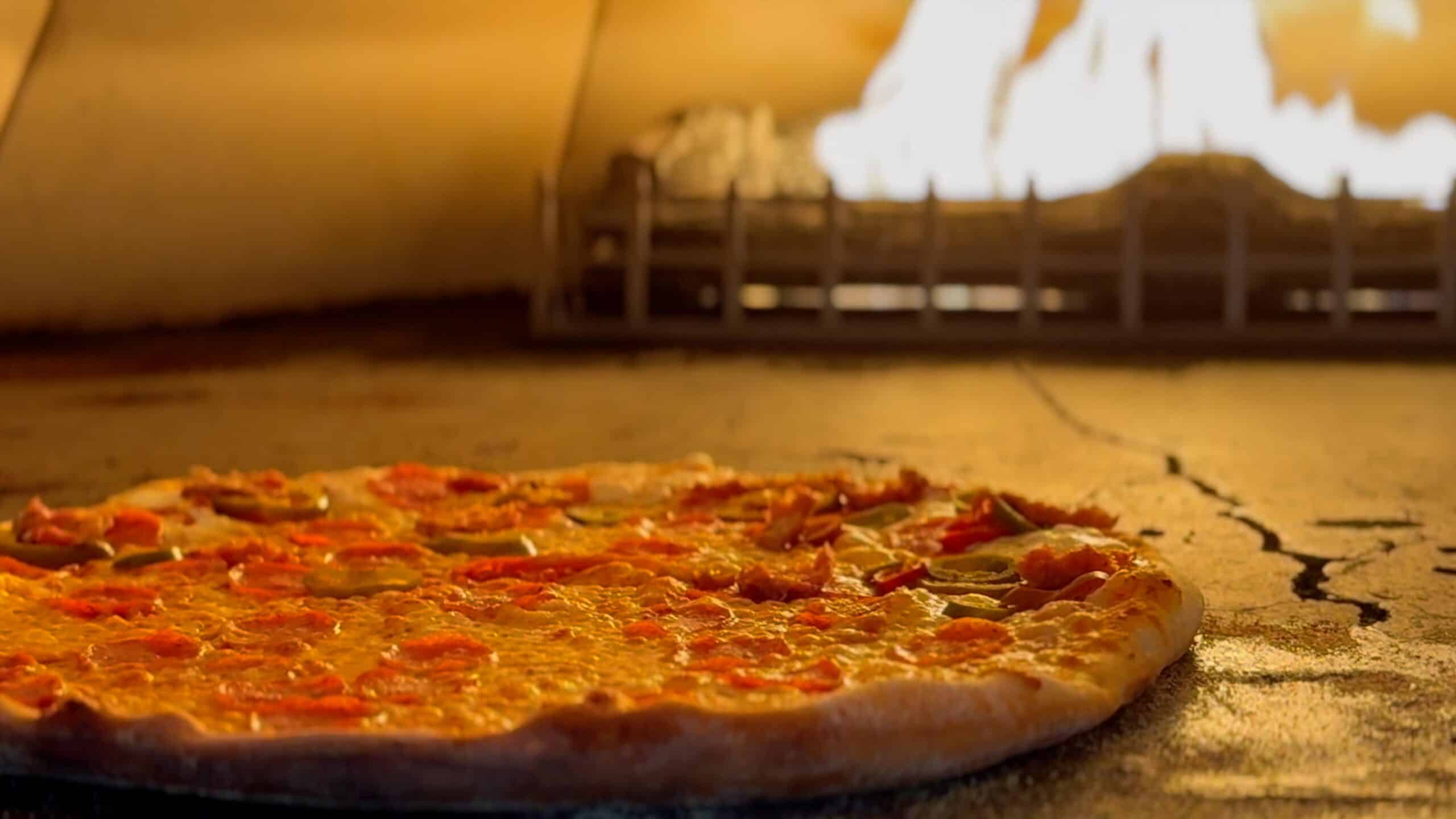
Cheyenne knows comfort food. This is a city where a meal still carries some weight, both literally and emotionally. People want food that warms you up after a long day, portions that feel fair, and flavors that do not need a sales pitch. Pizza fits that brief better than almost anything else. It is familiar, shareable, forgiving, and versatile enough to satisfy a table full of different appetites without turning dinner into a negotiation.
When people go looking for a great pizza place Cheyenne residents will return to again and again, they are usually not chasing novelty alone. They want a place that understands what makes pizza comforting in the first place. That might mean a thick, chewy crust with enough structure to hold a generous layer of cheese. It might mean a red sauce that tastes cooked, not just poured from a can. It might mean a dining room where nobody rushes your table, where kids can laugh, where you can order a basket of something fried while you wait for the pie and nobody acts like that is excessive.
Comfort food lovers do not all want the same thing, though. Some want the classic pepperoni and extra cheese experience, exactly as they remember it from family nights growing up. Others want a little more heft, maybe a meat-loaded pie, garlic knots, wings, and a ranch cup big enough to matter. A few are after balance, a crisp salad on the side, a well-made white pizza, and a place that can satisfy adults and picky eaters in one order. The best picks are the ones that know their lane and execute it with confidence.
What makes a pizza place feel like comfort food
A comforting pizza dinner starts before the first bite. You can usually tell within a minute whether a place gets it. The room smells like baked dough and melted cheese instead of sanitizer and old fryer oil. The menu is direct. The staff can answer a simple question about crust, toppings, or portion size without sounding annoyed. Water glasses get refilled. A family sharing one large pie does not feel out of place. Neither does a couple splitting a pizza and a salad on a Tuesday night because cooking sounds impossible.
Texture matters more than many people admit. For comfort food lovers, a pizza does not need to be technically perfect in the strictest artisan sense. It needs to satisfy. A crust with a bit of chew and some char at the edges is great. So is a pan pizza with a browned, almost buttery underside. Even a thinner crust can feel comforting if it has enough body to hold warm cheese and toppings without turning every slice into a balancing act. What usually disappoints this kind of diner is pizza that feels skimpy, brittle, or oddly dry.
Cheese is another dividing line. There is a reason many memorable pizza nights involve stretchy, deeply melted mozzarella that blurs the line between slice and indulgence. Comfort food asks for generosity, but generosity is not the same as excess. Too much cheese can mute the sauce and turn a slice greasy and heavy in the wrong way. The best places know where to stop. They build a pizza that feels rich without becoming a chore halfway through the second slice.
Then there is temperature. Comfort food should arrive hot enough to matter. This sounds obvious, but it is one of the first things to slip when a kitchen is overextended or takeout timing is off. A very good pizza can become a forgettable one if it sits too long before it reaches the table or the passenger seat.
The classic red-sauce, family-table pick
For a lot of diners, the ideal pizza place is the one that serves classic combinations well, with no need for explanation. Think pepperoni that curls slightly at the edges, sausage with real fennel and browning, mushrooms that still taste like mushrooms, not canned water. These are the places that tend to win repeat business because they understand the emotional contract of pizza night. You order what you always order, and it lands exactly the way you hoped.
In Cheyenne, where weather can turn cold and windy in a hurry, this style has an extra pull. A basic cheese pizza done right can feel restorative after a long week, and a large house special can feed a tired household with enough leftovers for lunch. A good classic spot also tends to handle the supporting cast properly. Breadsticks come out hot, not stale. Marinara tastes simmered. Ranch is cold and thick. None of this is glamorous, but all of it matters.
If you are judging a classic comfort-food pizza place, pay attention to consistency. A single good visit is nice. The places people truly rely on are the ones that can produce the same solid pie on a Friday night rush that they produce on a quiet Monday. Reliability is a comfort of its own.
The thick-crust and deep-dish craving
Some nights call for a slice you can really sink into. Thick-crust pizza has a specific job. It should feel substantial, almost meal-like in a way thin crust rarely does. The crumb needs enough softness to absorb sauce and cheese without going gummy, and the outer edge should still offer a bit of resistance. When it works, thick-crust pizza delivers a kind of fullness that feels almost protective. It is food built for winter, stress, and large appetites.
Deep-dish or pan-style lovers tend to be particular, and fairly so. A heavy pizza that lacks balance becomes tiring fast. The sauce needs brightness. The crust needs structure. Toppings have to be proportioned with care. Too much of everything sounds comforting in theory, but in practice it can turn each bite into a slog. The best pan pizzas stay rich without becoming leaden.
This is one area where dine-in often beats delivery. A deep or pan-style pie is at its best when it has just come out of the oven and has had only a short rest. The edges stay crisp, the cheese remains lively, and the center slice still holds. If you are exploring a pizza place Cheyenne locals recommend for serious comfort food, thick-crust specialties are worth eating on site at least once before you default to takeout.
The tavern-style surprise for people who think they want something lighter
Comfort food does not always mean heavy. Sometimes it means crisp, salty, and endlessly snackable. Tavern-style pizza, cut into squares, can satisfy a group in a different but equally persuasive way. It invites grazing. It pairs well with wings, beer, soda, and conversation. It lets everyone take “just one more piece” until the box is empty.
For adults who grew up with this style, it can trigger strong nostalgia. For families, it works because kids often like the edge pieces and adults can sample several toppings without committing to giant slices. A good tavern-style pie needs a crackly crust, controlled sauce, and toppings that stay anchored. If the center goes limp, the whole point is lost.
This style is especially useful when comfort is less about hibernation and more about ease. Watching a game, meeting friends after work, or feeding a group with mixed appetites all become simpler when the pizza is built for sharing in small bites.
Why the side dishes matter more than people think
For comfort food lovers, a pizza place is never judged by pizza alone. Side dishes reveal how much care a kitchen brings to the whole experience. Wings should arrive with crisp skin, or at least enough heat and sauce to justify themselves. Mozzarella sticks should have a pull, not a hollow shell. Garlic bread should smell like fresh garlic and butter, not powdered seasoning dust. A salad should look like someone expected a human being to eat it.
There is also a practical reason sides matter. Not everyone at the table wants the same level of indulgence. One person wants meat lovers pizza, another wants veggie, someone else wants a Caesar, and a child wants plain noodles or fries if the menu offers them. A strong comfort-food pizzeria handles these differences without making the meal feel fragmented. It gives the whole table a path to satisfaction.
I have long thought that ranch dressing tells the truth about a casual restaurant. If it is watery, warm, or clearly neglected, standards may be loose elsewhere too. If it is cold, properly seasoned, and served generously, that is often a sign the kitchen understands the details that diners actually notice.
Atmosphere counts, especially on tired nights
A lot of restaurant writing overvalues concept and undervalues mood. Comfort food is deeply tied to atmosphere. Sometimes the right pizza place is not the one with the most ambitious menu but the one where people can exhale. Booths help. A little background noise helps too, because silence can make a family dinner feel oddly formal. Friendly service matters more than polished service in this category. Nobody needs a lecture about imported tomatoes when they just want a dependable large pie and a pitcher of soda.
Cheyenne diners often appreciate places that strike a middle ground. Clean and welcoming, but not precious. Casual, but not careless. A room where work boots, school uniforms, office wear, and weekend flannel all make equal sense. That blend is part of the city’s dining character, and pizza places that understand it usually develop loyal followings.
Lighting is another small factor with outsized impact. Bright enough to read a menu, dim enough to feel forgiving. It is hard to relax over comfort food in a room that feels like a waiting area. It is equally hard to enjoy family dinner in a space so dark that you cannot see whether your child has spilled marinara on everything in reach.
The best occasions for each type of pizza place
Not every comfort-food craving points to the same kind of restaurant. The smart move is to match the place to the night. A sports-bar-adjacent pizzeria can be perfect for a noisy group and disappointing for an anniversary dinner. A cozy sit-down pizza restaurant might be exactly right for grandparents and kids, but too slow for a lunch break. Some shops excel pizza place cheyenne at delivery, others at dine-in freshness.
A few situations tend to separate great picks from merely acceptable ones:
- family dinner, where menu flexibility and patient service matter
- game night, where shareable sides and easy portions win
- late work nights, where speed and consistency matter more than atmosphere
- cold-weather cravings, where thicker crusts and richer pies shine
- casual meetups, where a relaxed room keeps people lingering
A comfort-food lover does well to keep a few different favorites in mind rather than expecting one restaurant to cover every occasion equally well.
Delivery versus dine-in, and why the difference can be dramatic
People often talk about a restaurant as if it performs the same way in every format. Pizza does not. Some pizzas travel beautifully. Others decline within ten minutes of boxing. Thin crust can steam itself soft. Pan pizza can hold better but lose some edge crispness. Delicate toppings can shift. Fried starters almost always suffer unless the kitchen and driver timing are exceptional.
That means your best pizza place Cheyenne option for delivery might not be the same as your best choice for eating in. A restaurant with solid packaging, reliable dispatch, and a menu built around sturdy pies can outperform a technically better dine-in spot when convenience is the priority. For families, this distinction matters. The best delivery pizza is often the one that arrives hot, correct, and intact at six-thirty on a school night. Perfection is less important than confidence.
There are practical ways to improve your odds. Order direct if possible. Ask for the pie a touch less cut if you want to preserve crust structure on the way home. Pick up your own order if you live nearby and care about freshness. If you know a certain style gets soggy in the box, save that style for dine-in and order something sturdier for delivery.
Value is not the same as low price
Comfort food should feel generous, but that does not mean cheap at any cost. A bargain pizza that disappoints every time is poor value. A slightly more expensive pie that actually feeds four people, reheats well, and comes with good ingredients can be a smarter buy. This is especially true now, when restaurant costs have shifted enough that price alone tells you very little.
Portion clarity matters. A useful menu tells you whether a medium truly serves two hungry adults or whether it is more of a light meal for one and a half people. Some places are better at this than others. When staff can give honest guidance, that is a mark in their favor. Nothing sours pizza night faster than under-ordering and realizing too late that you are still hungry, except maybe over-ordering from a place whose leftovers nobody wants.
Leftover performance is a real factor for comfort-food fans. Some pizzas taste almost as good the next day, especially pan-style or sturdier classic pies. Others are one-meal-only food. If you are feeding a household, that difference matters. There is genuine value in a pizza that can become tomorrow’s lunch without regret.
What to notice on a first visit
If you are trying a new place, a little attention goes a long way. You do not need to overanalyze dinner, but certain details tell you whether the restaurant deserves a second chance. Start simple. Order one familiar pie and one side. See how the kitchen handles the basics before chasing house specialties.
Look for a few specific cues:
- whether the crust matches the menu description
- whether the sauce tastes balanced rather than flat or sugary
- whether the cheese and toppings are distributed evenly
- whether the side dishes arrive hot and fresh
- whether staff can recover gracefully if something is off
Restaurants do not need to be flawless. A crowded Friday can produce delays anywhere. What separates good local favorites from forgettable stops is how they handle pressure and whether the food still feels cared for.
Comfort food for different kinds of eaters
One reason pizza remains such a strong comfort-food category is that it bends without breaking. Meat lovers can chase sausage, bacon, pepperoni, and beef on one pie. Vegetarians can still get a satisfying dinner if the vegetables are treated well and not dumped on raw and watery. Kids can stick to cheese. Adults who want something sharper can choose olives, roasted peppers, or a white pizza with garlic and ricotta, if the shop offers one.
The challenge is not variety by itself. Plenty of menus offer lots of combinations. The challenge is keeping every version coherent. A loaded pizza should still bake evenly. A vegetable pie should not drown in moisture. A gluten-free crust, if available, should be handled carefully enough to avoid cross-contact concerns and texture problems. Not every restaurant does this equally well, and it is reasonable for diners to ask questions.
Good pizza places know that comfort can mean inclusion. When everyone at the table finds something satisfying without a compromise order, the meal feels easier, and easy is often what people are really seeking.
Why some pizza cravings are really about ritual
Comfort food is never just about ingredients. It is about repetition, timing, and relief. The same pizza that seems ordinary at noon can feel almost medicinal at eight-thirty on a winter evening after errands, traffic, work, and a sink full of dishes. People return to certain restaurants because those places become part of family rhythm. Friday takeout. Post-game dinner. Birthday dinner for the kid who always orders olives on half. Lunch slices during a rough week.
That ritual quality matters when choosing a pizza place in Cheyenne. The best picks are not only the places with good dough or strong ovens. They are the places that fit into real life. Easy parking helps. Fast pickup helps. A menu that pleases grandparents, teenagers, and tired parents helps. So does the feeling that you are welcome whether you are lingering over a meal or grabbing two boxes to run home.
A truly reliable comfort-food pizzeria earns trust over time. It rescues a night when no one wants to cook. It feeds extra guests without fuss. It delivers something warm and familiar when the weather turns ugly or the week gets long.
The pizza place Cheyenne comfort-food crowd tends to appreciate most
If there is a common thread among the pizza place Cheyenne comfort-food crowd tends to value, it is honesty. Honest portions. Honest flavor. Honest service. Nothing has to be trendy or theatrical. The food simply needs to taste like someone cared enough to get the fundamentals right.
That often means choosing substance over gimmicks. Real dough texture instead of decorative crust language. Good cheese melt instead of novelty topping overload. A dining room that feels lived-in rather than staged. The kind of place where a simple pepperoni pizza can still be the smartest thing on the menu, and where a hot basket of breadsticks can salvage a difficult day.
For comfort food lovers, those are the places worth remembering. They may not always be the loudest, newest, or most aggressively marketed. But they are the ones people crave when what they really want is to feel fed, settled, and looked after for an hour. And in a city like Cheyenne, that kind of meal still counts for plenty.
Ruffrano's Hell's Kitchen Pizza Cheyenne
Address: 1670 E Cheyenne Mountain Blvd, Colorado Springs, CO 80906
Phone number: +17195764355
FAQ About Pizza Place Cheyenne
What's the most popular pizza place?
The "most popular" pizza place depends on whether you measure by location count, total sales, or customer favorite status.
What is the 2 pizza rule?
The two-pizza rule is a management principle made popular by Amazon founder Jeff Bezos. It states that a team or meeting should never be larger than what can be fed with two large pizzas—typically translating to a group of 5 to 10 people (or roughly 6 to 12 people depending on appetites).
Is 2 pizzas enough for 10 people?
No, 2 pizzas are usually not enough for 10 people.