How a Pizza Place in Cheyenne Can Upgrade Your Dinner Plans
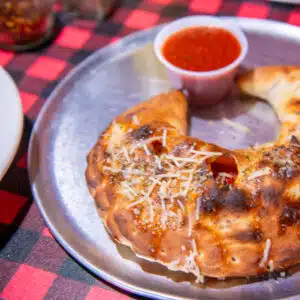
Dinner plans tend to fall apart in predictable ways. Someone gets off work late. Another person wants something casual, but not forgettable. One guest is vegetarian, one wants extra protein, and a child at the table refuses anything with visible onions. Add Wyoming weather, a packed weeknight schedule, or the simple fact that few people want to wash pans after a long day, and the choice becomes less about cuisine and more about logistics.
That is where a good pizza place in Cheyenne can do more than fill a gap. It can rescue the evening, smooth over competing preferences, and turn a routine meal into something that feels considered rather than improvised. People often underestimate what separates a decent pizza dinner from a genuinely satisfying one. It is not only crust, cheese, and toppings. It is timing. It is flexibility. It is the atmosphere if you dine in, the packaging if you take it home, the side dishes that keep the meal balanced, and the consistency that lets you order with confidence.
If you have ever spent twenty minutes debating dinner only to end up with food nobody really wanted, you already understand the value of a place that simplifies the decision without lowering the standard. A strong local pizza spot can do exactly that.
Why pizza works so well for real-life evenings
Pizza has a reputation for being easy, and that can make people dismiss it as a default option. In practice, ease is part of the value. When dinner has to serve both appetite and schedule, a meal that travels well, suits groups, and adapts to different tastes earns its place.
Think about the most common weeknight scenarios. A family needs dinner between soccer practice and homework. Two coworkers want to grab something hearty before heading home, but neither wants a drawn-out sit-down meal. Friends want to meet somewhere relaxed where they can actually talk without committing to a formal reservation. Pizza handles each of those situations differently, but effectively.
Part of that comes down to structure. A pizza is inherently shareable. It creates less friction than ordering separate entrees, especially for groups that value a communal meal. It also gives diners more room to compromise. One half can lean classic, the other more adventurous. A table can mix one meat-heavy pie with one loaded with vegetables and still avoid the feeling that anyone had to settle.
In a place like Cheyenne, where schedules are often practical and the weather can influence how far people want to drive or linger, that flexibility matters. A restaurant does not need white tablecloths to upgrade your dinner plans. Sometimes it just needs to understand how people actually eat on a Tuesday.
The difference between “pizza” and a dinner worth planning around
Not every pizza place deserves to shape your evening. The distinction shows up in small decisions that become obvious once you pay attention.
First, there is the crust. A well-made crust carries the meal. It should have structure strong enough to hold toppings without collapsing, but enough tenderness that it does not feel like an afterthought. Too often, lower-quality shops treat crust as edible cardboard. Better places treat it as the base flavor of the dish, with real fermentation character, a clean bake, and the right contrast between crisp edge and softer interior.
Sauce matters just as much. A balanced tomato sauce should brighten the pie, not drown it. You want acidity, some sweetness, and seasoning that supports the cheese rather than fighting it. The same goes for cheese itself. Good mozzarella should melt evenly and contribute richness without turning greasy. If a place uses blends well, you can taste the difference in both texture and finish.
Then come the toppings, where many restaurants reveal either restraint or chaos. A pizza can be fully loaded and still balanced, but only if someone in the kitchen understands proportion. Too much meat and the pie gets salty and heavy. Too many vegetables and moisture ruins the bake. Good pizza shops know where to stop. That judgment is often what turns a comfort food into a dinner you remember.
A reliable pizza place in Cheyenne also earns trust through consistency. People notice when the order arrives hot, cut properly, and matching what they requested. That kind of reliability sounds basic until you have dealt with the opposite. Dinner is better when no one has to call back about a missing side or wonder whether the crust will be underdone this time.
Cheyenne diners often need practicality, not fuss
Cities have their own dining rhythms. In some places, dinner is built around long, late meals. In others, convenience takes priority, but that does not mean quality becomes irrelevant. Cheyenne tends to reward places that understand real households, working schedules, and the value of straightforward hospitality.
A pizza spot fits that rhythm well because it can serve multiple kinds of evenings without changing its identity. On one night, it is a casual dine-in meal with a pitcher of soda, a salad for the table, and a couple of specialty pies. On another, it is a fast pickup order after a long day, the kind where everyone is grateful someone else handled dinner. On weekends, it might become the easiest answer for larger gatherings, game nights, or visiting relatives who need something familiar and broadly appealing.
That versatility is often underestimated. Plenty of restaurants do one thing well, but only under ideal conditions. Pizza places that last in a town like Cheyenne usually survive because they work under ordinary conditions. They know families are ordering at 6:15, not 8:45. They know takeout quality matters as much as dine-in service. They know diners remember whether the staff stayed calm when the place was full.
The best local spots also understand atmosphere. Casual does not mean careless. Clean tables, clear menus, warm service, and the smell of fresh dough hitting the oven can make a simple dinner feel like a reset after a hard day.
How pizza improves group decision-making
Few dinner problems are really about food. Most are about coordination. The bigger the group, the harder it becomes to find a place that works for everyone. A pizza restaurant solves that better than many formats because it removes the pressure for every person to choose one complete dish for themselves.
A couple can split a pie and add a salad. A family can order two or three pizza place cheyenne ruffranoshellskitchenpizza.com pizzas that cover different preferences. A group of friends can share several combinations and try more than they would if everyone ordered separately. The meal feels abundant without becoming overly formal or expensive.
That matters financially, too. Pizza tends to scale well. A table can feed four or five people without the bill climbing as quickly as it might at many full-service restaurants. If you add appetizers, drinks, and dessert, the cost can still remain manageable compared with places built around individual entrees. For households watching the budget but unwilling to settle for drive-thru food, that is a real advantage.
The social dynamic improves as well. Shared food changes the energy at a table. People reach, pass slices, compare favorites, and talk more naturally. It is a small thing, but small things often determine whether dinner feels rushed or restorative.
The role of customization in a better dinner
One reason pizza remains so effective is that customization is built into the format. That may sound obvious, but from a planning standpoint it changes everything.
A good pizza place can accommodate people who want traditional toppings, those who prefer lighter vegetable-forward combinations, and those who need to avoid certain ingredients. Even without making big claims, many shops can work around common preferences if the order is placed clearly. Half-and-half pizzas, topping swaps, crust choices, and side options make it possible to create a meal that feels personal without becoming complicated.
This is where a thoughtful menu helps. A place with a few house specialty pies can shorten the decision process for diners who do not want to build from scratch. At the same time, the option to customize keeps the meal adaptable. In my experience, the strongest pizza menus strike that balance. Too few options and the place feels rigid. Too many, and ordering becomes a project.
For families, this flexibility is often the deciding factor. A child who only wants plain cheese can eat happily beside an adult who wants sausage, mushrooms, and jalapenos. A diner who wants something lighter can add a salad and take one or two slices instead of committing to a heavy plate. That range helps a single restaurant serve mixed appetites without friction.
Dine-in, takeout, or delivery, each option changes the night
How you get the pizza matters almost as much as what you order. A smart dinner plan starts with choosing the format that fits the evening.
Dine-in works best when the meal itself is part of the break. If everyone needs to get out of the house, decompress, and let somebody else manage both cooking and cleanup, eating at the restaurant can be the better choice. Pizza places are particularly good for low-pressure nights when you want conversation without the structure of a formal restaurant. You can linger a little, order an extra side if needed, and let the table settle into the meal.
Takeout excels when home is where you actually want to be. That could mean kids already in pajamas, a movie ready to start, or simply the desire to avoid another public interaction after a long day. The best pizza for takeout holds heat well, maintains crust texture for a reasonable window, and arrives packaged in a way that prevents steam from ruining the finish.
Delivery serves yet another purpose. It buys time and preserves energy, but it also requires a little strategy. Some foods decline quickly in transit. Pizza, when made and boxed properly, remains one of the strongest delivery foods. If the restaurant handles dispatch efficiently, the dinner can land with most of its quality intact.
The key is matching the service style to the evening you are trying to create. A pizza place in Cheyenne becomes more valuable when it can do all three competently, because different nights call for different solutions.
What to order when you want dinner to feel more complete
Pizza can absolutely stand alone, but the most satisfying dinners often round it out. That does not mean over-ordering. It means building enough variety that the meal feels deliberate.
A crisp salad is one of the smartest additions, especially with richer pies. The contrast helps. So does an appetizer with a different texture, something baked, roasted, or lightly fried that gives the table a change pizza place cheyenne of pace. Dessert can matter more than people think, too. Even a simple sweet finish can make an ordinary weeknight feel like a small occasion.
If you are feeding a mixed group, it helps to think in terms of balance rather than volume. One heavier pizza and one lighter one usually lands better than two overloaded specialty pies. An all-meat spread can sound satisfying in the moment and feel exhausting halfway through. On the other hand, going too cautious can make dinner seem dutiful. The sweet spot is contrast.
Here is a practical way to approach it when ordering for a group:
- Choose one familiar pie that nearly everyone will eat.
- Add one house specialty or bolder option for interest.
- Include a salad or vegetable-forward side to lighten the table.
- Order based on appetite and leftovers, not only headcount.
- If timing matters, ask about peak-hour wait estimates before you commit.
That sort of planning takes two minutes and usually produces a better result than ordering reactively.
Pizza as a better answer for casual hosting
People often think entertaining requires a menu with effort written all over it. It does not. Some of the most relaxed, successful at-home gatherings are built around excellent pizza.
The reason is simple. Pizza lowers the host burden. You do not have to plate individual portions, manage multiple oven temperatures, or disappear into the kitchen while guests talk in the other room. You can set out drinks, napkins, maybe a salad or dessert, and remain present. The food arrives ready to share.
This matters for everything from last-minute neighbor visits to planned game nights. It also helps when guests include different age groups. Children know what to do with pizza. Adults can still appreciate a well-made pie, especially if the menu includes stronger ingredient combinations and better-than-basic sides.
Hosting gets easier because the meal has momentum. The boxes or trays land, people gather, and the evening starts moving on its own. A lot of dinner parties fail because the food demands too much choreography. Pizza strips away the part that causes stress while preserving the part people actually remember, which is time together.
Signs you have found the right local spot
A worthwhile pizza place earns repeat business through details, not slogans. Most regular customers can tell within a few visits whether a restaurant is genuinely dependable.
Look for a menu with enough range to be useful, but not so much range that quality feels stretched thin. Pay attention to whether the staff can answer questions clearly and handle modifications without confusion. Notice whether pickup orders are organized and whether dine-in service feels attentive even when the room gets busy.
The food itself should show care. Crust should be baked with intention, toppings distributed evenly, and ingredients tasting fresh rather than buried under salt or grease. A good local restaurant also tends to understand pacing. Appetizers should not arrive so late that they collide with the main order, and pizzas should hit the table hot enough that you notice the difference immediately.
These are not glamorous benchmarks, but they are the ones that matter at 6:30 on a weeknight when people are hungry and patience is thin.
When pizza is the smarter choice than a “special occasion” restaurant
There is a habit of treating pizza as the fallback and other restaurants as the upgrade. That logic misses the point. A dinner plan is only upgraded if it better serves the people involved.
A noisy steakhouse with a forty-minute wait is not automatically a better night than a comfortable pizza dinner where everyone eats well and leaves happy. A trendy menu nobody can agree on is not superior to a meal that offers variety without stress. There are evenings for more formal dining, of course. But there are also plenty of nights when the smartest luxury is ease.
That ease becomes even more valuable during busy seasons. The holidays, school event weeks, travel weekends, and weather-disrupted days all reward restaurants that can deliver satisfaction without complication. Pizza does that better than most foods because it works across age groups, budgets, and settings.
The restaurants that understand this do not merely sell convenience. They provide relief. They reduce the number of decisions still left in the day.
Making dinner feel intentional, even when time is short
One of the best qualities of a strong neighborhood pizza restaurant is that it lets you be spontaneous without feeling careless. You can decide at five o'clock that nobody is cooking and still end up with a dinner that feels chosen, not surrendered.
That can mean picking a favorite specialty pie and eating in. It can mean ordering ahead so the food is ready after errands. It can mean grabbing a couple of pizzas for friends who are coming over with little notice. In every version, the place improves the night because it absorbs the effort you no longer have.
That is the quiet advantage of having a dependable pizza place in Cheyenne. It is not just about what is on the menu. It is about having a restaurant in your rotation that consistently meets the moment, whether the moment calls for comfort, speed, flexibility, or a little bit of all three.
Dinner does not have to be elaborate to feel successful. It has to work. When the crust is right, the service is steady, the ordering process is smooth, and everybody at the table finds something they want, a pizza place stops being the easy option and becomes the smart one.
Ruffrano's Hell's Kitchen Pizza Cheyenne
Address: 1670 E Cheyenne Mountain Blvd, Colorado Springs, CO 80906
Phone number: +17195764355
FAQ About Pizza Place Cheyenne
What's the most popular pizza place?
The "most popular" pizza place depends on whether you measure by location count, total sales, or customer favorite status.
What is the 2 pizza rule?
The two-pizza rule is a management principle made popular by Amazon founder Jeff Bezos. It states that a team or meeting should never be larger than what can be fed with two large pizzas—typically translating to a group of 5 to 10 people (or roughly 6 to 12 people depending on appetites).
Is 2 pizzas enough for 10 people?
No, 2 pizzas are usually not enough for 10 people.