A Beginner's Guide to Ordering at a Pizza Place in Cheyenne
Walking into a pizza shop for the first time should feel easy, but a lot of people still hesitate at the counter. They are trying to read the menu fast, decide between crusts, figure out sizes, and avoid holding up the line. If you are new to town, ordering for a group, or simply unfamiliar with how a local shop runs, a little preparation helps.
Cheyenne has the kind of dining culture that rewards common sense and straightforward communication. At a pizza place, that means knowing what you want, asking clear questions, and understanding a few basics before you order. Most shops are happy to guide you, but your experience goes better when you know the rhythm of the exchange. You do not need to sound like a regular. You just need to know the parts of an order and how to put them together.
This guide breaks that down in plain English, with practical details that make the process smoother whether you are dining in, picking up takeout, or placing a delivery order from a pizza place Cheyenne residents already know well.
Why ordering pizza feels more complicated than it should
Pizza seems simple until you are standing under a menu board with twelve specialty pies, three crust options, and someone behind you deciding faster than you are. That pressure makes people overthink.
Part of the confusion comes from the fact that every shop organizes its menu a little differently. One place builds the order around size first. Another starts with crust. Some feature house combinations and expect you to customize from there. Others are almost entirely build-your-own. Even the same topping can raise questions. Is “sausage” Italian sausage, breakfast sausage, or crumbled mild pork sausage? Are green peppers included in a supreme, or do they count as an add-on? If you have ordered at one chain, that does not automatically prepare you for every independent shop.
Cheyenne also has a mix of diners, families, students, workers grabbing dinner on the way home, and travelers passing through. That means shops often handle many kinds of orders at once. A good counter person can move quickly from a lunch slice order to a large family carryout to a delivery request with special instructions. If you understand what they need from you, the transaction becomes quick and almost effortless.
Start with the three decisions that matter most
When people stumble over a pizza order, it is usually because they are trying to make every decision at once. It helps to narrow it down to three core choices: size, crust, and toppings.
Size is the first practical decision because it affects price and quantity more than anything else. If you are ordering for yourself, a small or medium may make sense depending on your appetite and whether you want leftovers. For two adults, a medium often works if you are also getting salad, breadsticks, or wings. For a family or a group watching a game, large pizzas usually provide better value per slice. The exact slice count varies by shop, so if you are feeding several people, it is reasonable to ask how many slices come with each size.
Crust changes the texture and feel of the meal. Thin crust tends to bake faster, crisp more easily, and work well if you want the toppings to stand out. Traditional hand-tossed gives you more chew and often handles heavier toppings better. Deep dish or pan styles can feel more filling, but they may take longer to bake. If timing matters, that is worth asking about before you finalize your order.
Toppings are where beginners often overspend. Adding extra meat, extra cheese, or specialty toppings can raise the total quickly. If you want a balanced pizza, think in combinations rather than piling everything on. Pepperoni and mushroom works. Sausage, onion, and green pepper works. Chicken, bacon, and ranch can work if the shop offers it, but at that point you are usually in specialty pizza territory and the price may reflect that.
The easiest way to speak your order clearly
A clean order follows a natural sequence. You do not need restaurant vocabulary. You just need to give the information in the order the employee can enter it.
Here is the simplest pattern to follow:
- Say whether you are dining in, carrying out, or ordering for delivery.
- Give the size and type of pizza you want.
- Name the crust, if there is more than one option.
- State the toppings or the specialty pizza name.
- Add sides, drinks, and any special instructions at the end.
In real life, it sounds like this: “I’d like one large hand-tossed pepperoni and mushroom pizza for carryout, plus an order of breadsticks.” That sentence gives the employee almost everything needed in the right order.
If you need half-and-half toppings, say that clearly before listing the toppings. For example: “One large thin crust, half pepperoni and half veggie.” If you need something left off a specialty pizza, mention it directly: “Can I get the supreme without olives?” That is much easier for the staff than hearing the full specialty name, then a pause, then three changes.
What to know before you step up to the counter
A little menu-reading goes a long way. If the restaurant has paper menus on the counter, grab one and step aside for a minute rather than trying to decide while the cashier waits. If there is a wall menu, look first at the pizza sizes and house specialties. Those two sections usually tell you how the shop thinks about ordering.
Watch for pricing patterns. At many places, a specialty pizza costs less than building the same combination topping by topping. At other shops, the build-your-own route is more flexible and only slightly more expensive. There is no universal rule, so it is smart to glance at both before speaking.
You should also check whether the place offers slices, lunch specials, or combo deals. In some shops, ordering two slices and a drink at noon is faster and cheaper than ordering a whole pie. In the evening, family bundles may include a large pizza, breadsticks, and soda for less than ordering those items separately. These are not tricks or insider secrets. They are just menu structures that reward paying attention.
At a busy pizza place Cheyenne locals frequent after school events or on Friday nights, speed matters. If there is a line, know your order before you reach the register. If you are unsure between two options, limit your questions to the pizza place cheyenne ones that affect the final order most. “Which crust is crispier?” is a useful question. “What does every topping taste like?” is less helpful when six people are waiting behind you.
Dine-in, carryout, and delivery each work a little differently
The same pizza can feel like a different purchase depending on how you are getting it.
Dine-in orders often give you the best chance to ask questions, split toppings, and make slower decisions. You can settle in, review the menu, and order drinks while the pizza bakes. This is the least stressful option if you are new to the restaurant or ordering with children who may change their minds.
Carryout is often the best choice when you want control over timing. Most pizza shops can give you an estimated pickup window, and it is usually easier to avoid delivery delays this way, especially in bad weather or during major meal rushes. In a place like Cheyenne, where winter wind and snow can affect traffic and timing, picking up your own order can save frustration on certain nights.
Delivery is convenient, but it requires the clearest communication. You will need to provide your address, phone number, and any details that help the driver find you. Apartment numbers, gate codes, building names, and whether your door faces the street all matter more than people think. A vague address instruction can turn a straightforward order into a twenty-minute search.
There is also the issue of delivery zones. Some shops only deliver within a certain radius. If you are staying at a hotel on the edge of town or living in a newer development, it is worth confirming that the address is inside the delivery area before spending time customizing the order.
How much pizza to order for different situations
This is one of the most common beginner questions, and there is no perfect pizza place cheyenne formula because appetites vary. Still, a few practical guidelines help.
For one adult, a small pizza may be enough for one meal, though many people prefer a medium if they want leftovers for lunch the next day. For two adults, one medium pizza can work if you also order a side. If pizza is the entire meal and both people are hungry, a large is often safer. For a family of four, two medium pizzas or one to two large pizzas usually makes more sense than trying to stretch a single pie too far.
Teenagers and sports teams can change the math quickly. I have seen what looked like an overly generous order vanish in ten minutes when three hungry high schoolers got to it after an event. If you are feeding active kids or a mixed group of adults and children, build in a cushion. Leftover pizza is rarely a problem. Running short usually is.
If you are trying to stay on budget, it is often smarter to order one larger pizza with well-chosen toppings than several smaller pizzas with lots of customization. Larger sizes frequently offer better value per slice, and too much personalization can drive up the total fast.
Specialty pizzas versus build-your-own
Both approaches have a place.
A specialty pizza is often the better choice when you want a combination the kitchen already makes well. Good pizza shops know which toppings balance one another and how much of each to use. A house combo, meat lovers, veggie, or buffalo chicken pizza can save you from guessing. It also speeds up the ordering process. You name the pizza, make any needed adjustment, and move on.
Build-your-own works best when you have specific preferences or dietary needs. Maybe one person wants no onions, another dislikes olives, or you want a lighter mix of toppings so the crust stays crisp. That is where custom orders shine.
The trade-off is cost and complexity. Custom pizzas can become expensive, and heavy modifications increase the chance of mistakes. If you find yourself removing three toppings from a specialty pizza and adding two new ones, stop and compare the price with a simpler build-your-own version. That small habit can save money.
Handling special requests without confusion
Most pizza shops are used to requests, but clarity matters. “Extra crispy,” “light cheese,” “well done,” and “easy sauce” all mean something specific in a kitchen. Use direct language and keep the request short.
If you want a pizza baked longer for a firmer crust, say “well done” or “baked a little extra if possible.” If you want less sauce because the pizza tends to get soggy, say “light sauce.” If you are sharing with a picky eater, “sauce on one half only” is clearer than trying to describe the preference at length.
Allergies deserve direct treatment. If you have a serious food allergy, say so early in the order and ask what the shop can reasonably accommodate. Be realistic. A pizza kitchen has flour in the air, shared prep surfaces, and common utensils moving quickly during rush periods. Some restaurants can take precautions, but not every shop can guarantee a fully isolated preparation environment. The staff should be honest with you, and you should listen closely to how they answer.
The questions worth asking
There is no need to pepper the staff with ten questions, but a few are genuinely useful, especially for a first visit.
Ask about wait time if you are ordering during a rush or trying to coordinate pickup. Ask about size or slice count if you are feeding a group. Ask whether a specialty pizza or combo deal offers better value if you are choosing between similar options. If you are unfamiliar with a crust style, ask which one is thinner, crispier, or more filling. Those questions help you spend wisely and get the meal you actually want.
Questions become less useful when they are too broad. “What’s good here?” may get you a generic answer because staff members are serving many different tastes. “Do people like the thin crust or the hand-tossed more?” is better. It gives them something concrete to respond to.
Common beginner mistakes, and how to avoid them
Most ordering mistakes are minor, but they can make dinner less satisfying or more expensive than it needed to be.
The most common ones are these:
- Ordering too few pizzas for a group and hoping sides will make up the difference.
- Adding too many toppings, which can lead to a heavy, soggy pie.
- Forgetting to specify crust or pickup versus delivery.
- Waiting until checkout to mention half-and-half toppings or allergy concerns.
- Leaving without checking that the order name, items, and sauces are correct.
That last one matters more than people think. Before you walk out with a carryout order, glance inside the box count, confirm any sides are in the bag, and make sure dipping sauces or dressings are included if you paid for them. You do not need to inspect every slice at the counter, but a ten-second check can save a return trip.
Timing your order in Cheyenne
Meal timing changes the whole experience. Lunch can be quick and efficient, especially if the shop offers slices or lunch combos. Dinner rush, usually around the end of the workday into early evening, is when wait times lengthen and mistakes become more likely if communication is sloppy. Game nights, weekends, and weather-heavy evenings can add extra pressure.
Cheyenne’s climate matters more than outsiders sometimes expect. A cold, windy night tends to push more people toward takeout and delivery at the same time. That means longer waits, especially at popular spots. If conditions are rough and you need pizza at a certain hour, order earlier than you think you need to. Even an extra twenty minutes of buffer can make the evening feel organized instead of chaotic.
If you are planning around school activities, local events, or family gatherings, call ahead. Pizza shops appreciate advance notice for large orders, and you are more likely to get the timing you want.
Budgeting without feeling cheap
There is a difference between ordering carefully and ordering awkwardly. Most people want a good meal at a fair price, and pizza shops know that.
Start by deciding whether value or variety matters more for the occasion. If you are feeding a family on a weeknight, the best deal may be a large cheese or pepperoni pizza plus one side. If you are hosting friends, spending a little more on a second pizza with different toppings might improve the whole meal. Try not to chase tiny savings while creating a complicated order no one really wants.
Watch the add-ons. Extra cheese, premium meats, cauliflower crusts, gluten-sensitive crust options, and specialty sauces can all raise the price quickly. Sometimes that is worth it. Sometimes it turns a modest dinner into a surprisingly expensive tab. The smartest move is to pick one or two upgrades that matter and skip the rest.
A good independent pizza place often delivers its value through quality and consistency rather than rock-bottom pricing. You may pay a bit more than you would for a basic chain special, but if the crust is better, the sauce tastes fresher, and the toppings are handled properly, many people find that trade worthwhile.
Phone orders versus online orders
Online ordering is convenient because it lets you review your choices without pressure. You can see the price change as you add toppings, catch mistakes before submitting, and store your address for later use. For straightforward orders, it is often the easiest option.
Phone ordering has advantages too. It works better for unusual requests, larger group orders, and any situation where you need to clarify a menu item. If you want half a pizza one way, half another, one side with no seasoning, and a delayed pickup time, a short conversation can prevent a lot of confusion.
The trade-off is that phone orders require focus. Speak clearly, do not rush, and listen when the person repeats the order back to you. That read-back is your best chance to catch errors before the food is made.
Tipping, courtesy, and local common sense
People sometimes overcomplicate the etiquette around pizza. For dine-in service, tip as you would at a casual restaurant. For delivery, tip with the distance, weather, and effort in mind. Carryout tipping is more flexible, but many customers still leave something, especially for larger or more customized orders.
Courtesy matters just as much as the money. If you are running late for pickup, call. If your apartment is hard to find, provide better instructions next time. If the staff is slammed, patience goes a long way. The best customer interactions in pizza shops are not fancy. They are clear, respectful, and realistic.
That is especially true in a community-oriented setting. At a local pizza place Cheyenne customers return to regularly, people remember the easy orders, the clear communicators, and the guests who treat staff with respect. You do not need to become a regular to benefit from that dynamic. You just need to order like someone who understands there are real people on both sides of the counter.
A sample order that works almost anywhere
If you are still unsure how this all sounds in practice, picture a typical family carryout order. You walk in or call and say: “Hi, I’d like a carryout order. One large hand-tossed pepperoni and mushroom, one medium thin crust cheese, an order of breadsticks, and two sodas. About how long will that be?” That is clean, easy to enter, and easy to confirm.
For delivery, you would add the address and any location details right away. For dine-in, you would simply tell the host or cashier you are eating there and place the same order once seated or at the counter, depending on how the shop operates.
The skill is not memorizing a script. It is understanding the sequence and giving useful details in a calm, direct way.
Getting comfortable enough to enjoy it
The first time you order at a new restaurant, especially one with a full menu and a busy counter, it can feel like there is a secret code everyone else knows. There is not. Pizza ordering is mostly a matter of deciding what you want, knowing how much food you need, and communicating it in the order the restaurant can use.
Once you do it a couple of times, the process becomes second nature. You will know whether you prefer thin or hand-tossed, whether one large is enough for your household, and which toppings are worth paying for. You will also start to notice the little differences that make one shop fit your preferences better than another.
That is the real beginner’s milestone. Not sounding like an expert, but ordering with enough confidence that dinner feels easy. At the right pizza place in Cheyenne, that is exactly how it should feel.
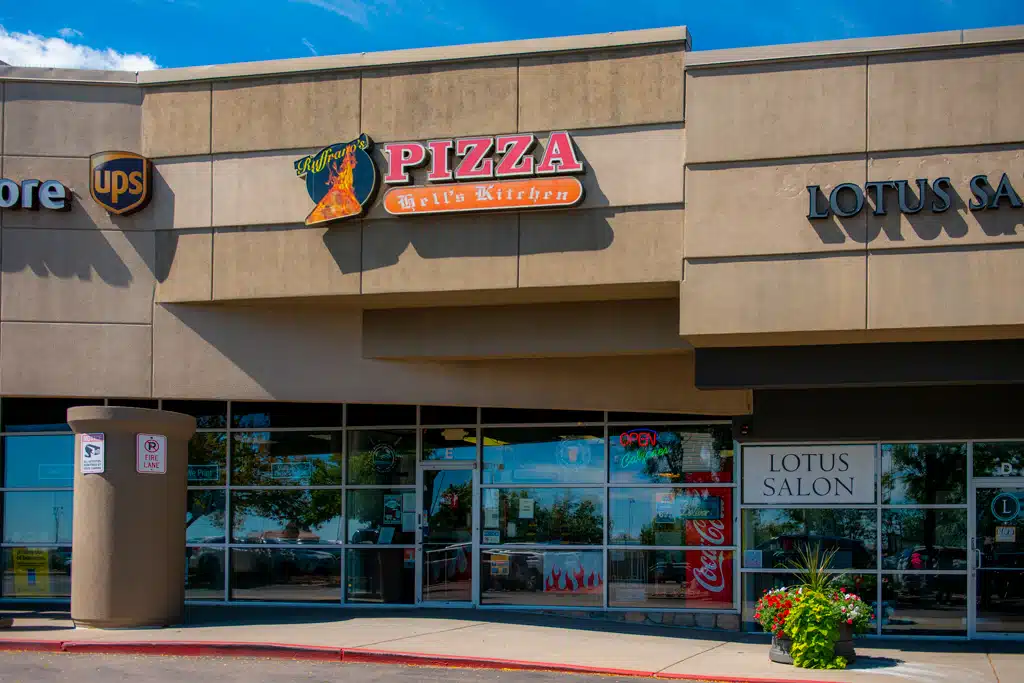
Ruffrano's Hell's Kitchen Pizza Cheyenne
Address: 1670 E Cheyenne Mountain Blvd, Colorado Springs, CO 80906
Phone number: +17195764355
FAQ About Pizza Place Cheyenne
What's the most popular pizza place?
The "most popular" pizza place depends on whether you measure by location count, total sales, or customer favorite status.
What is the 2 pizza rule?
The two-pizza rule is a management principle made popular by Amazon founder Jeff Bezos. It states that a team or meeting should never be larger than what can be fed with two large pizzas—typically translating to a group of 5 to 10 people (or roughly 6 to 12 people depending on appetites).
Is 2 pizzas enough for 10 people?
No, 2 pizzas are usually not enough for 10 people.